The Ultimate Guide to Digital Marketing
Introduction
In today’s fast-paced online world, digital marketing has become the backbone of every successful business. Whether you are a startup, small business owner, or a large enterprise, embracing digital marketing is no longer optional—it is essential. With billions of users active online, brands now have unprecedented opportunities to connect with their audience, build trust, and drive sales.
Digital marketing refers to all marketing efforts that use the internet or electronic devices. Businesses leverage channels such as search engines, social media, email, and websites to connect with current and potential customers. The power of digital marketing lies in its ability to target specific audiences, measure performance in real-time, and adjust strategies for better results.
This blog will explore everything you need to know about digital marketing—from its importance and types to strategies and future trends.
What is Digital Marketing?
Digital marketing is the promotion of products or services through digital channels like search engines, websites, social media, email, and mobile apps. Unlike traditional marketing, digital marketing allows businesses to reach a global audience with measurable results.
The key advantage of digital marketing is its data-driven approach. Marketers can track customer behavior, analyze engagement, and optimize campaigns instantly. This makes digital marketing one of the most effective ways to grow a business in the modern era.

Why Digital Marketing is Important
The importance of digital marketing cannot be overstated. Here are some key reasons why businesses invest heavily in digital marketing:
1. Global Reach
Digital marketing allows businesses to reach customers worldwide. Even small businesses can compete with larger companies by leveraging the right digital marketing strategies.
2. Cost-Effective
Compared to traditional marketing, digital marketing is more affordable. Platforms like social media and email marketing allow businesses to promote their services at a lower cost.
3. Measurable Results
One of the biggest advantages of digital marketing is the ability to track performance. Tools like analytics help businesses measure traffic, conversions, and ROI.
4. Targeted Audience
Digital marketing enables businesses to target specific audiences based on demographics, interests, and behavior, increasing the chances of conversion.
5. Improved Engagement
With digital marketing, brands can interact directly with their customers through social media, comments, and messages.
Types of Digital Marketing
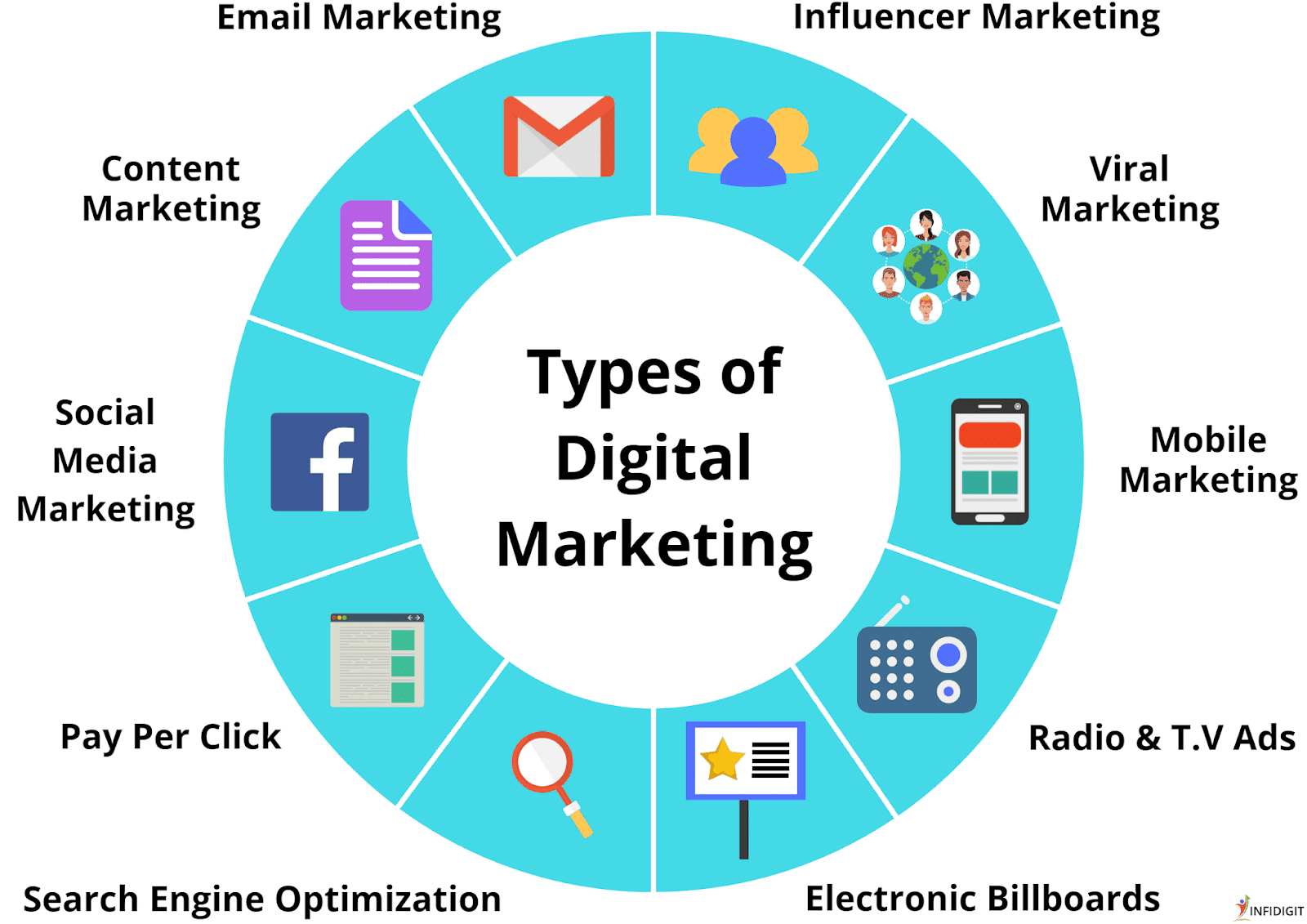
There are several types of digital marketing, each playing a crucial role in building a strong online presence.
1. Search Engine Optimization (SEO)
SEO is a core part of digital marketing that focuses on improving a website’s visibility on search engines. By optimizing content, keywords, and backlinks, businesses can rank higher in search results.
2. Content Marketing
Content marketing involves creating valuable content to attract and engage an audience. Blogs, videos, and infographics are essential tools in digital marketing.
3. Social Media Marketing
Social media platforms like Facebook, Instagram, and LinkedIn are powerful tools for digital marketing. Businesses use these platforms to connect with their audience and promote their brand.
4. Pay-Per-Click Advertising (PPC)
PPC is a form of digital marketing where advertisers pay a fee each time someone clicks on their ad. Google Ads is a popular PPC platform.
5. Email Marketing
Email marketing remains one of the most effective digital marketing strategies. It allows businesses to communicate directly with their customers.
6. Affiliate Marketing
Affiliate marketing is a performance-based digital marketing strategy where businesses reward affiliates for driving traffic or sales.
7. Influencer Marketing
Influencer marketing involves collaborating with influencers to promote products or services. It is a growing trend in digital marketing.
Key Components of a Successful Digital Marketing Strategy
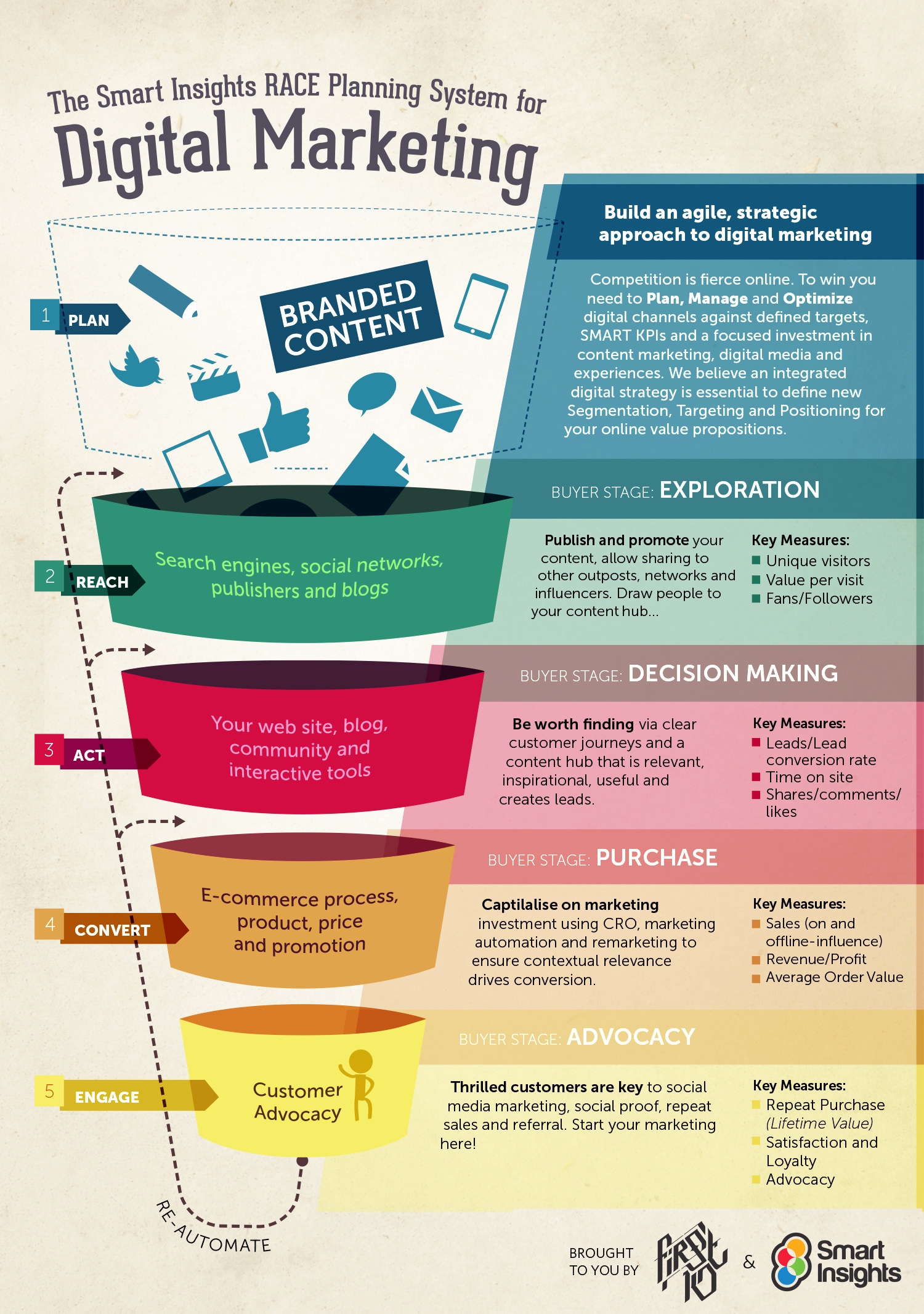
To succeed in digital marketing, businesses need a well-defined strategy. Here are the key components:
1. Clear Goals
Every digital marketing campaign should have clear objectives, such as increasing website traffic or generating leads.
2. Target Audience
Understanding your audience is crucial for effective digital marketing. Identify their needs, preferences, and behavior.
3. Quality Content
Content is the heart of digital marketing. High-quality content attracts and retains customers.
4. SEO Optimization
Optimizing your website for search engines is essential for digital marketing success.
5. Analytics and Monitoring
Tracking performance helps improve digital marketing campaigns over time.
Latest Trends in Digital Marketing (2026)
The landscape of digital marketing is constantly evolving. Here are some of the latest trends:
1. Artificial Intelligence (AI)
AI is transforming digital marketing by enabling personalized experiences and automated campaigns.
2. Voice Search Optimization
With the rise of voice assistants, optimizing for voice search is becoming important in digital marketing.
3. Video Marketing
Video content continues to dominate digital marketing, offering higher engagement rates.
4. Personalization
Personalized content is a key trend in digital marketing, improving customer experience.
5. Influencer Growth
Influencer marketing is expanding rapidly as part of digital marketing strategies.
Benefits of Digital Marketing for Businesses
Businesses that invest in digital marketing enjoy numerous benefits:
- Increased brand awareness
- Higher conversion rates
- Better customer engagement
- Improved ROI
- Competitive advantage
Digital marketing helps businesses build strong relationships with their customers and grow sustainably.
Common Challenges in Digital Marketing
Despite its advantages, digital marketing comes with challenges:
1. High Competition
The digital space is crowded, making it difficult to stand out.
2. Constant Changes
Algorithms and trends in digital marketing change frequently.
3. Data Privacy Concerns
Managing customer data responsibly is crucial in digital marketing.
4. Skill Requirements
Digital marketing requires expertise in multiple areas like SEO, content, and analytics.
How to Start with Digital Marketing
If you are new to digital marketing, follow these steps:
1. Build a Website
Your website is the foundation of digital marketing.
2. Focus on SEO
Optimize your website for search engines to attract organic traffic.
3. Create Content
Publish blogs, videos, and social media posts regularly.
4. Use Social Media
Engage with your audience on social platforms.
5. Invest in Ads
Use paid campaigns to boost your digital marketing efforts.
Future of Digital Marketing
The future of digital marketing looks promising. With advancements in technology, businesses will have more tools to reach their audience effectively. Trends like AI, automation, and data analytics will continue to shape digital marketing strategies.
Companies that adapt to these changes and invest in digital marketing will stay ahead of the competition.
Conclusion
In conclusion, digital marketing is a powerful tool that helps businesses grow in the digital age. From SEO and content marketing to social media and paid advertising, digital marketing offers endless opportunities to connect with customers and drive success.
To succeed in digital marketing, businesses must stay updated with trends, focus on customer needs, and continuously optimize their strategies. Whether you are just starting or looking to improve your online presence, investing in digital marketing is the key to long-term success.